
Bottesford Station History
A display at Bottesford Station, supported by the East MIilands Railway.
Neil Fortey
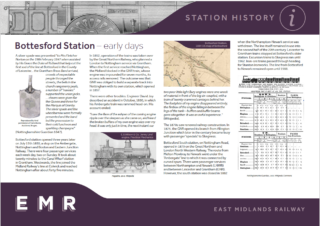
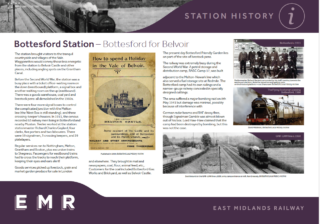
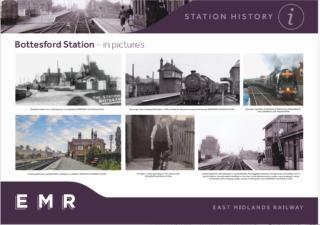
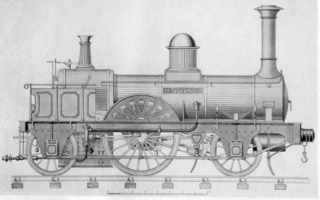
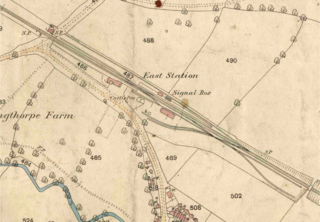
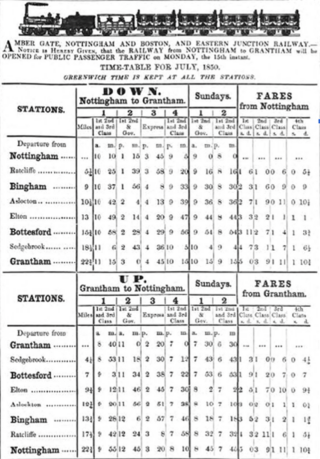
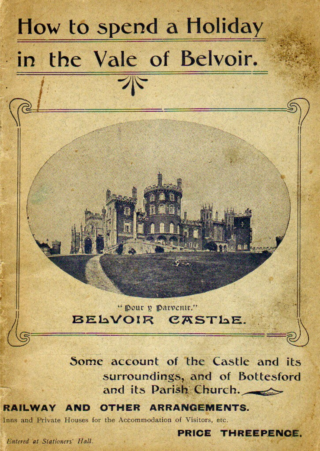
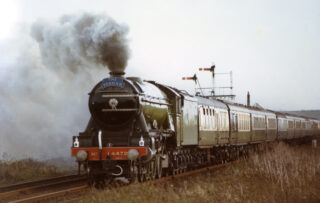
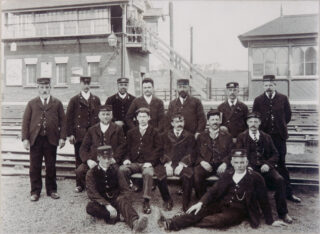
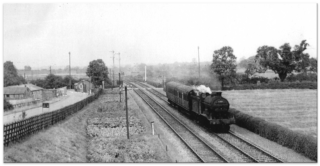
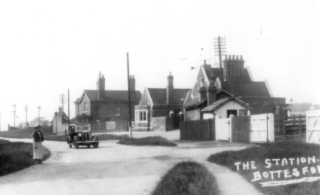
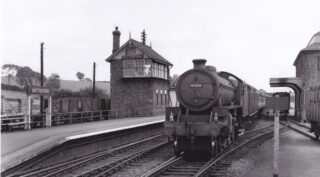
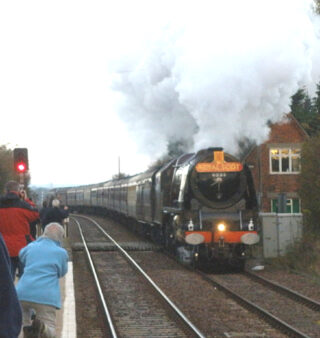
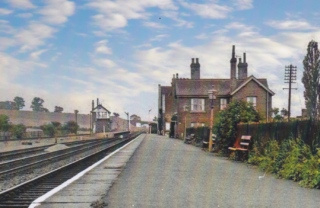
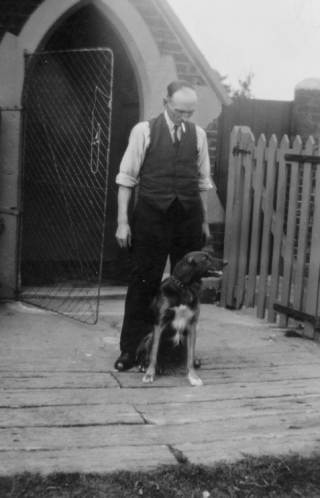
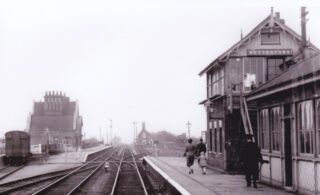
Three display boards, from the Bottesford Community Heritage Project, have been mounted on the platform at Bottesford Station in 2025 by East Midlands Railway, in association with the Bottesford Friendly Garden created by Bottesford’s team of EMR Station Adopters.
They tell the story of the opening of Bottesford Station in 1850 followed by glimpses of its story up to the present day.
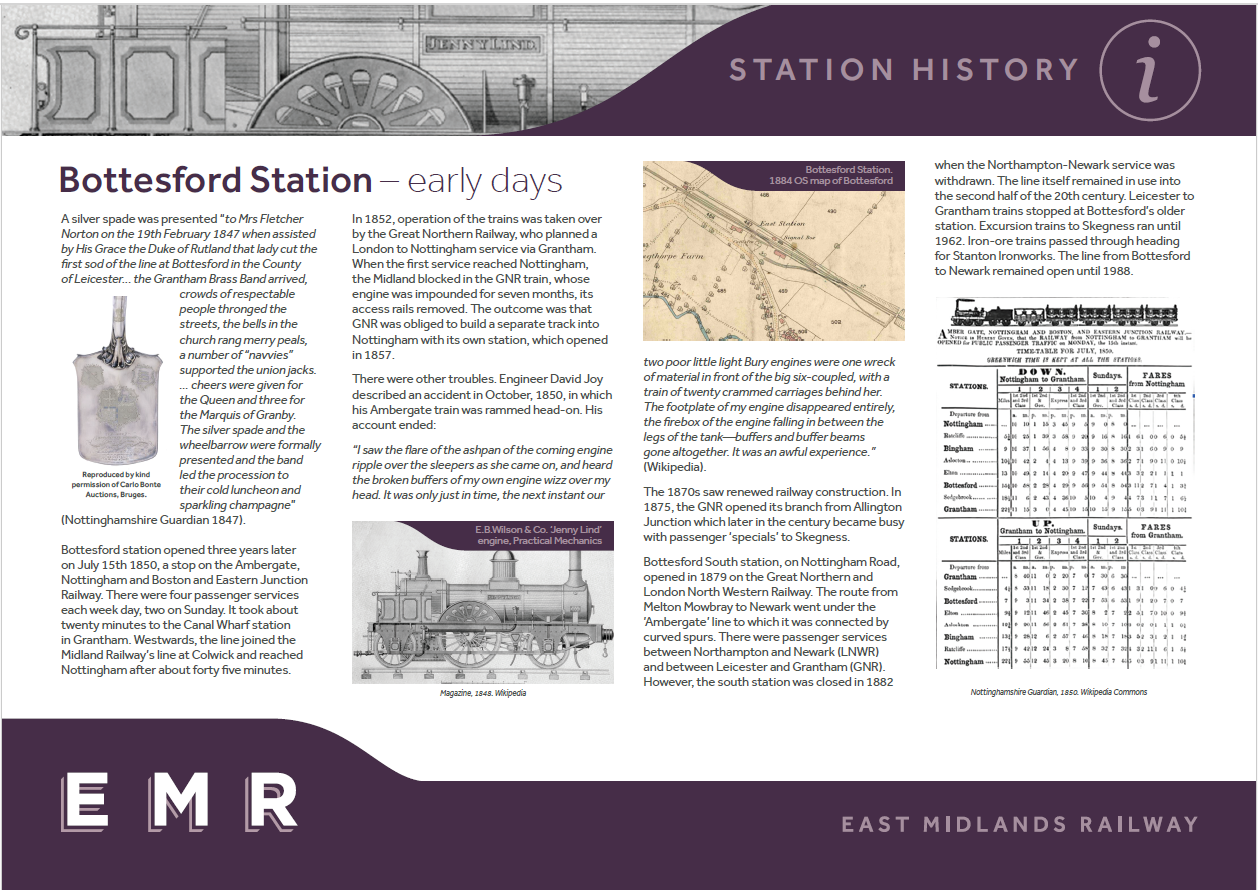
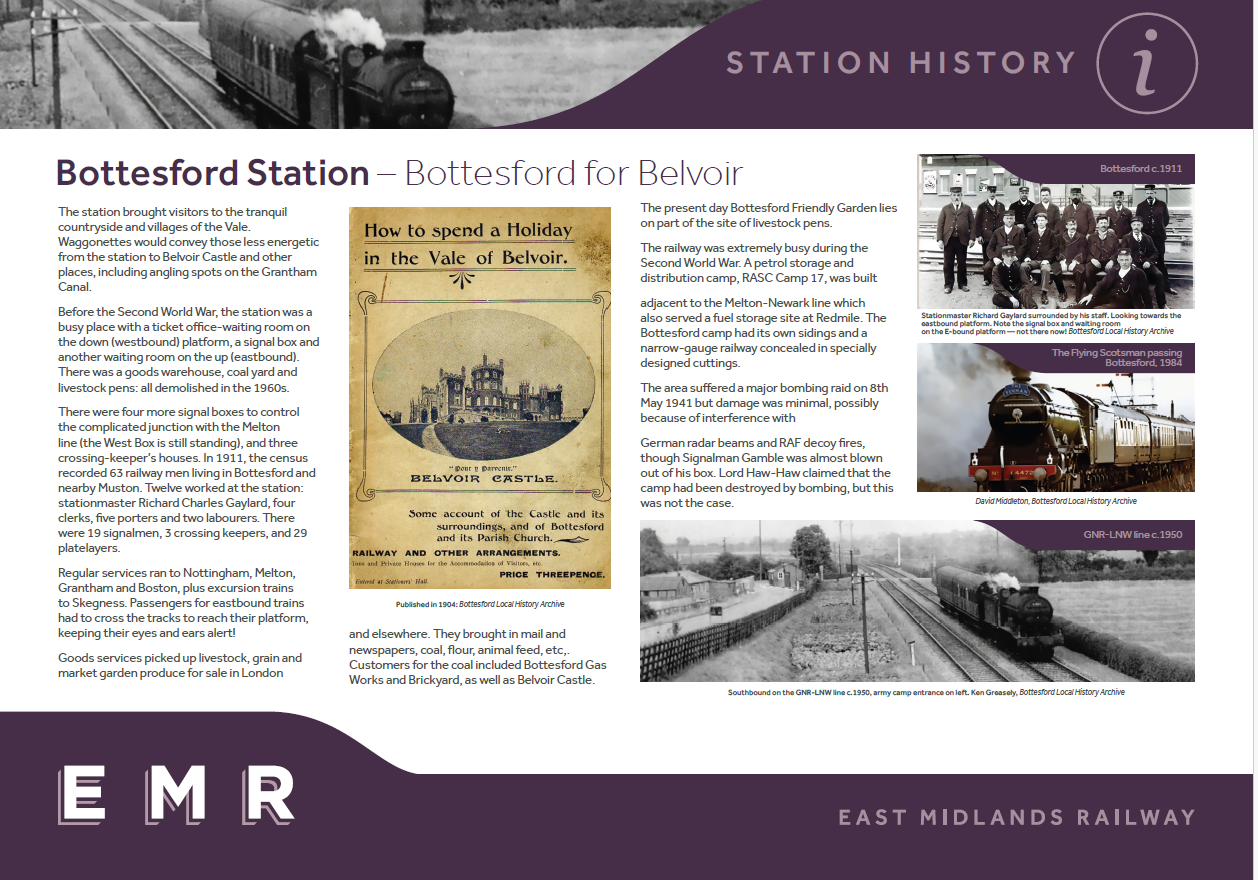
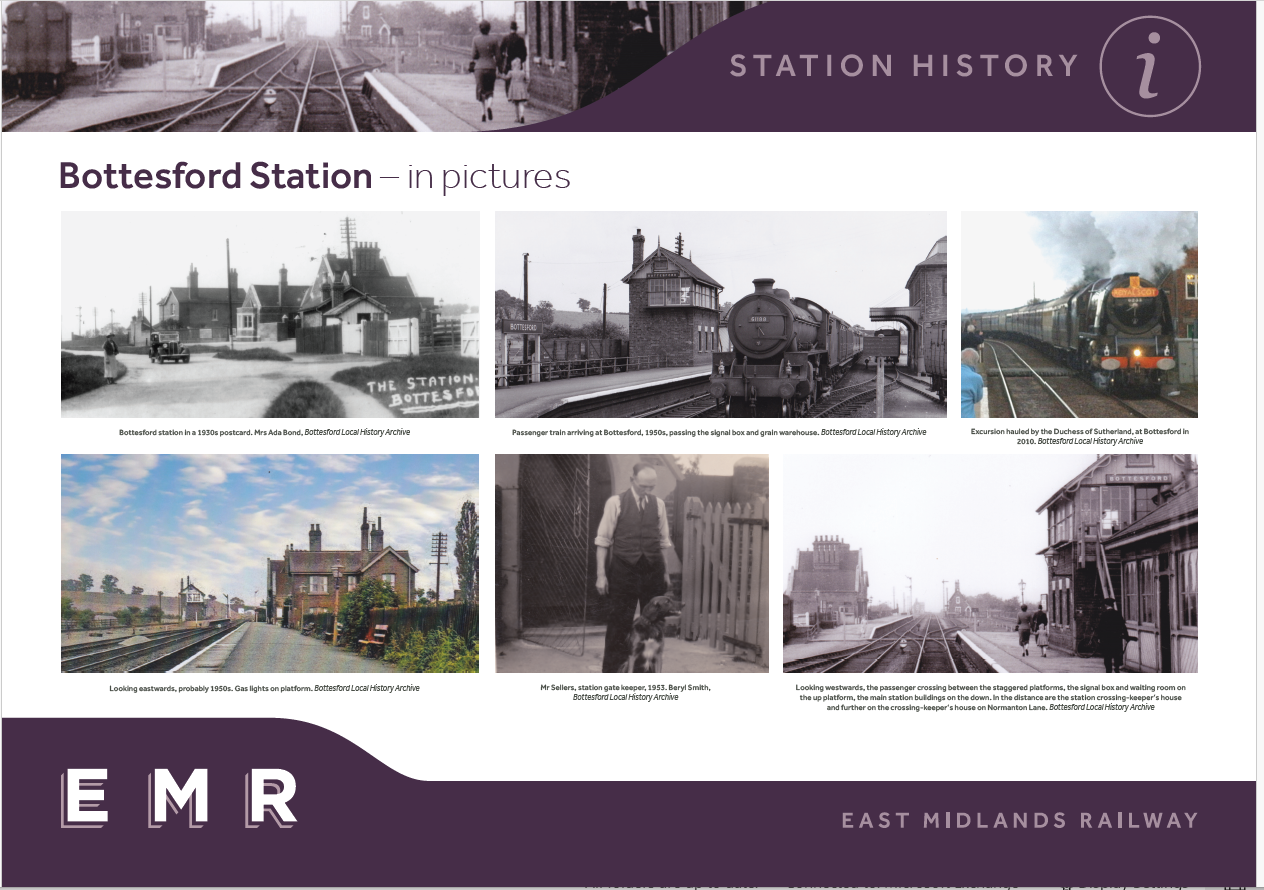
The illustrations included in the display boards are reproduced here so that they can be viewed in greater detail.
The text is that on the display boards. The story it tells is drawn from a more detailed study of Bottesford station and the Nottingham to Grantham railway line on which it stands. This was presented in a talk to the Bottesford Local History Society in May 2025, which has also published on this site – follow the link: Early History of Bottesford Railway Station
Bottesford station – the early days
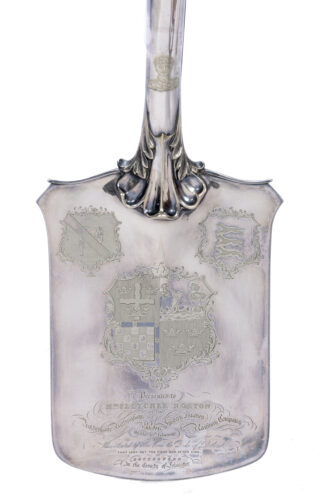
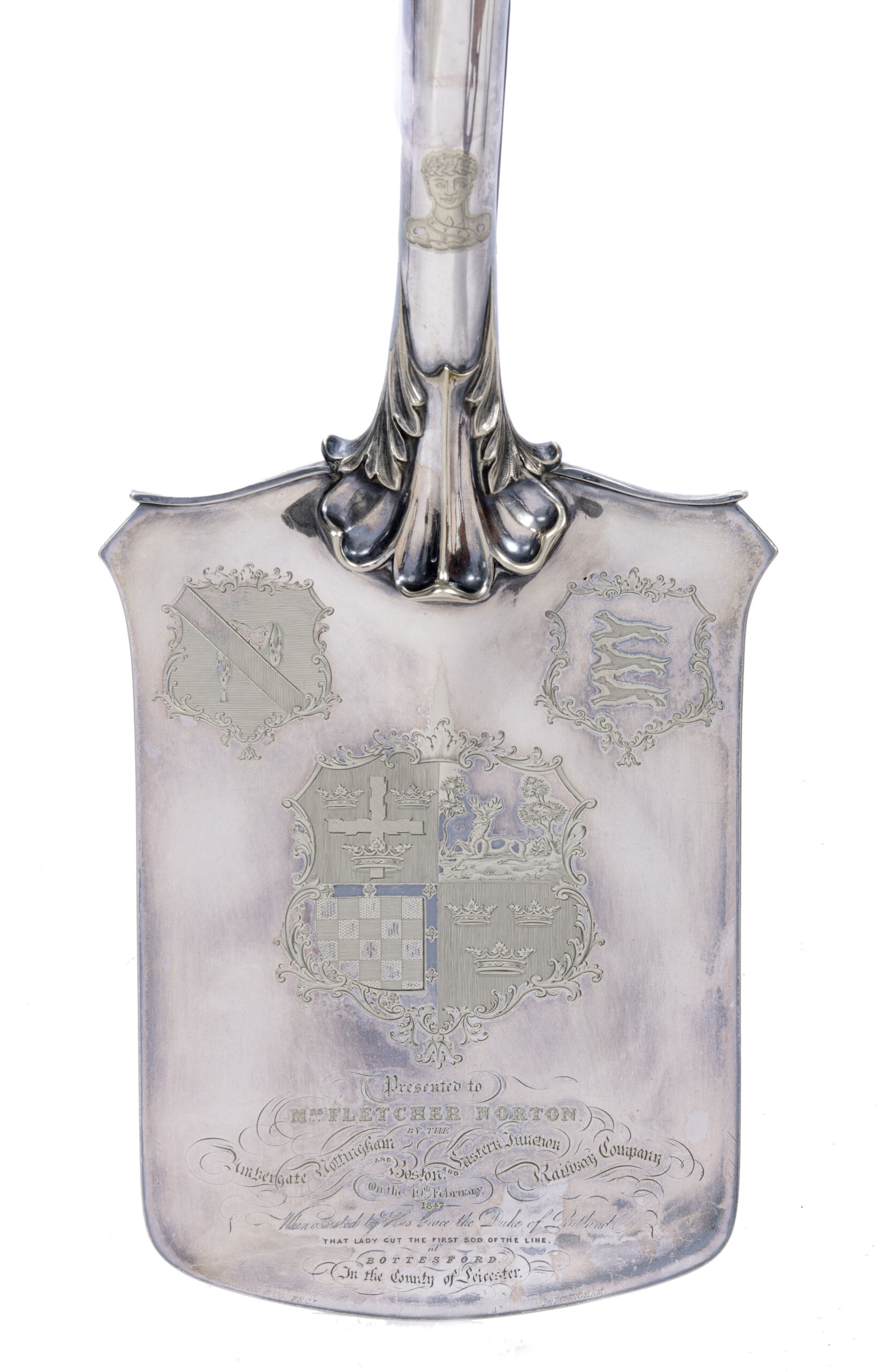
A silver spade was presented “to Mrs Fletcher Norton on the 19th February 1847 when assisted by His Grace the Duke of Rutland that lady cut the first sod of the line at Bottesford in the County of Leicester. … the Grantham Brass Band arrived, crowds of respectable people thronged the streets, the bells in the church rang merry peals, a number of “navvies” supported the union jacks. … cheers were given for the Queen and three for the Marquis of Granby. The silver spade and the wheelbarrow were formally presented and the band led the procession to their cold luncheon and sparkling champagne” (Nottinghamshire Guardian 1847).
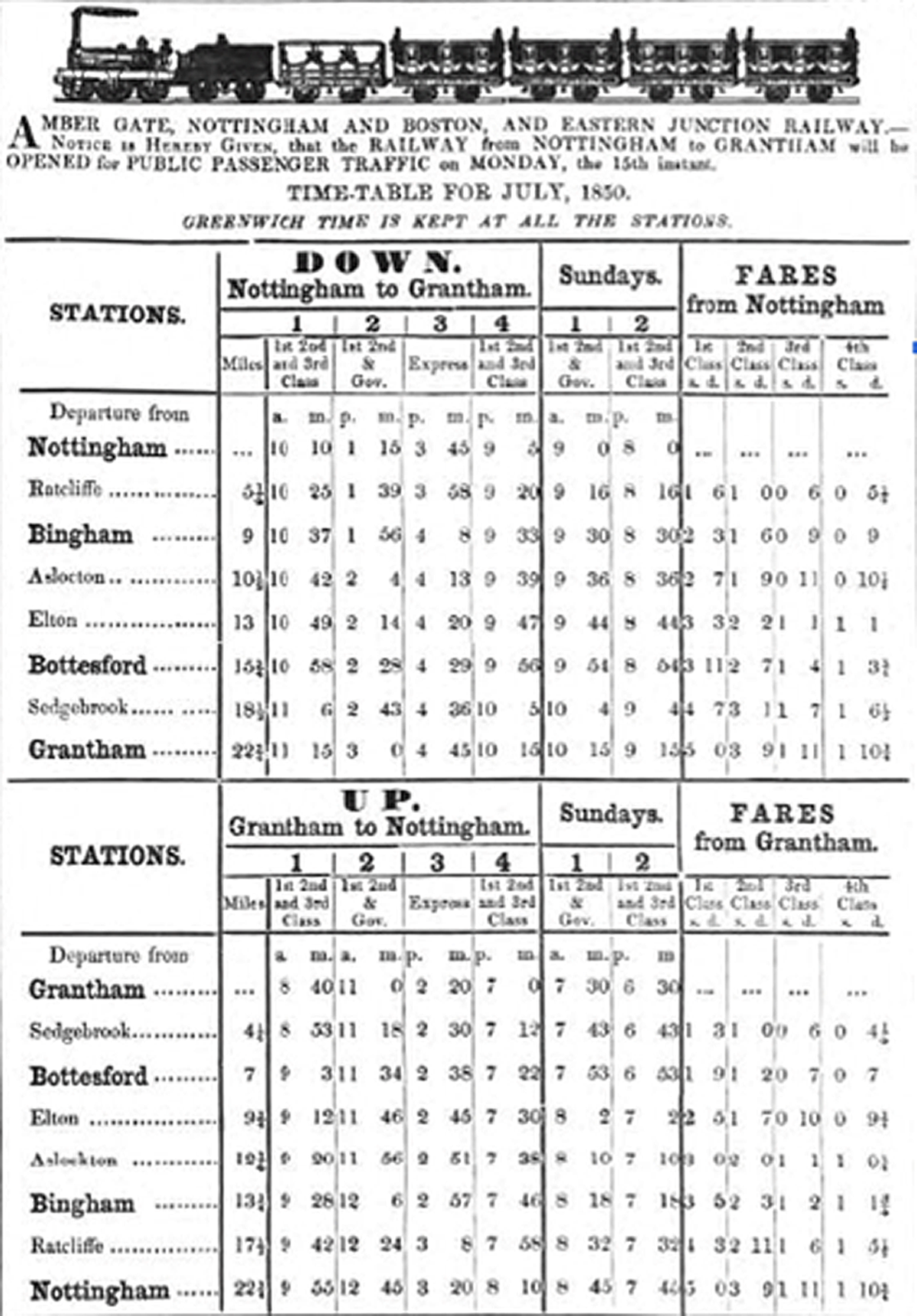
Bottesford station opened three years later on July 15th 1850, a stop on the Ambergate, Nottingham and Boston and Eastern Junction Railway. There were four passenger services each week day, two on Sunday. It took about twenty minutes to the Canal Wharf station in Grantham. Westwards, the line joined the Midland Railway’s line at Colwick and reached Nottingham after about forty five minutes.
In 1852, operation of the trains was taken over by the Great Northern Railway, who planned a London to Nottingham service via Grantham. When the first service reached Nottingham, the Midland blocked in the GNR train, whose engine was impounded for seven months, its access rails removed. The outcome was that GNR was obliged to build a separate track into Nottingham with its own station, which opened in 1857.
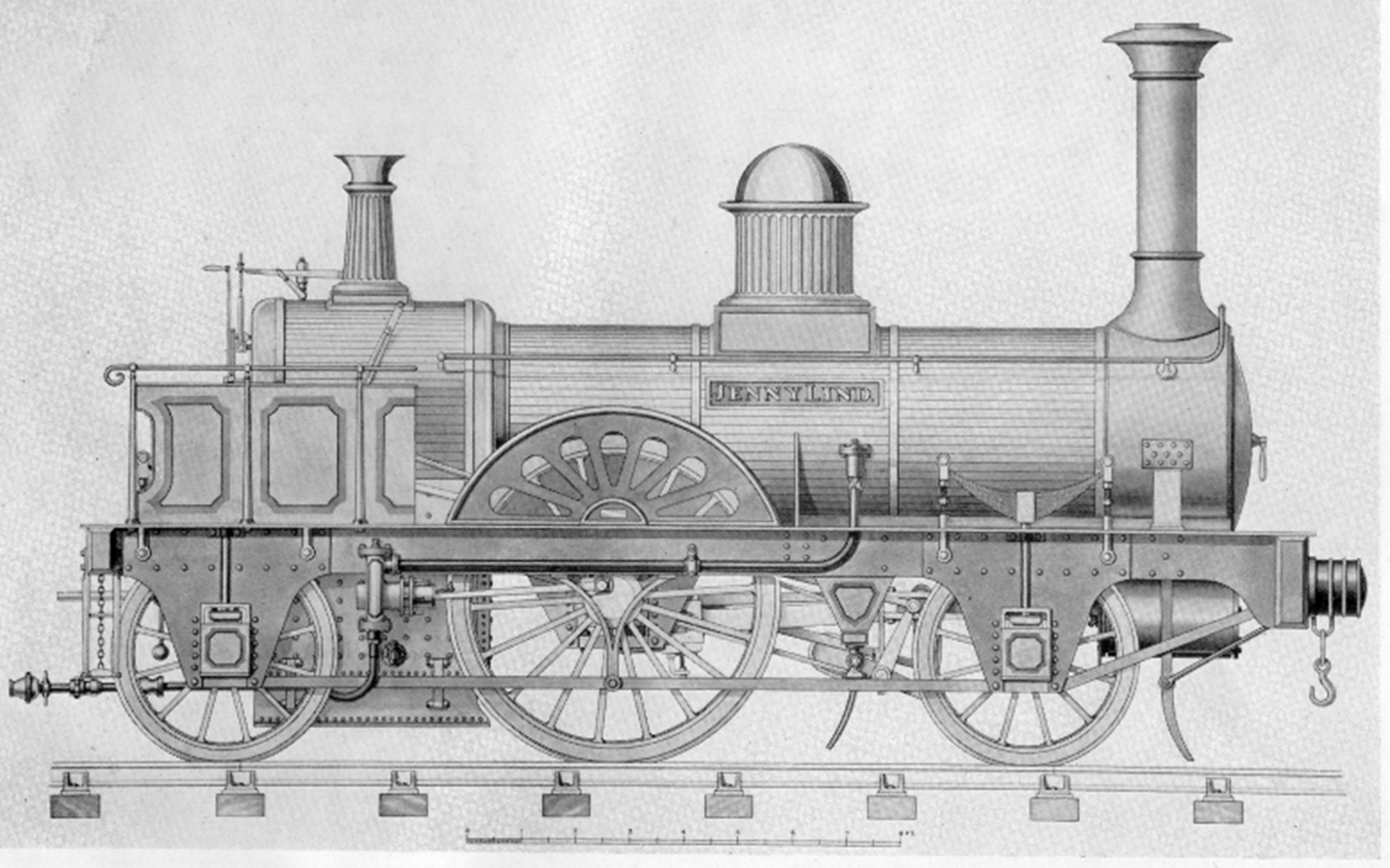
There were other troubles. Engineer David Joy described an accident in October, 1850, in which his Ambergate train was rammed head-on. His account ended: “I saw the flare of the ashpan of the coming engine ripple over the sleepers as she came on, and heard the broken buffers of my own engine wizz over my head. It was only just in time, the next instant our two poor little light Bury engines were one wreck of material in front of the big six-coupled, with a train of twenty crammed carriages behind her. The footplate of my engine disappeared entirely, the firebox of the engine falling in between the legs of the tank—buffers and buffer beams gone altogether. It was an awful experience.” (Wikipedia).
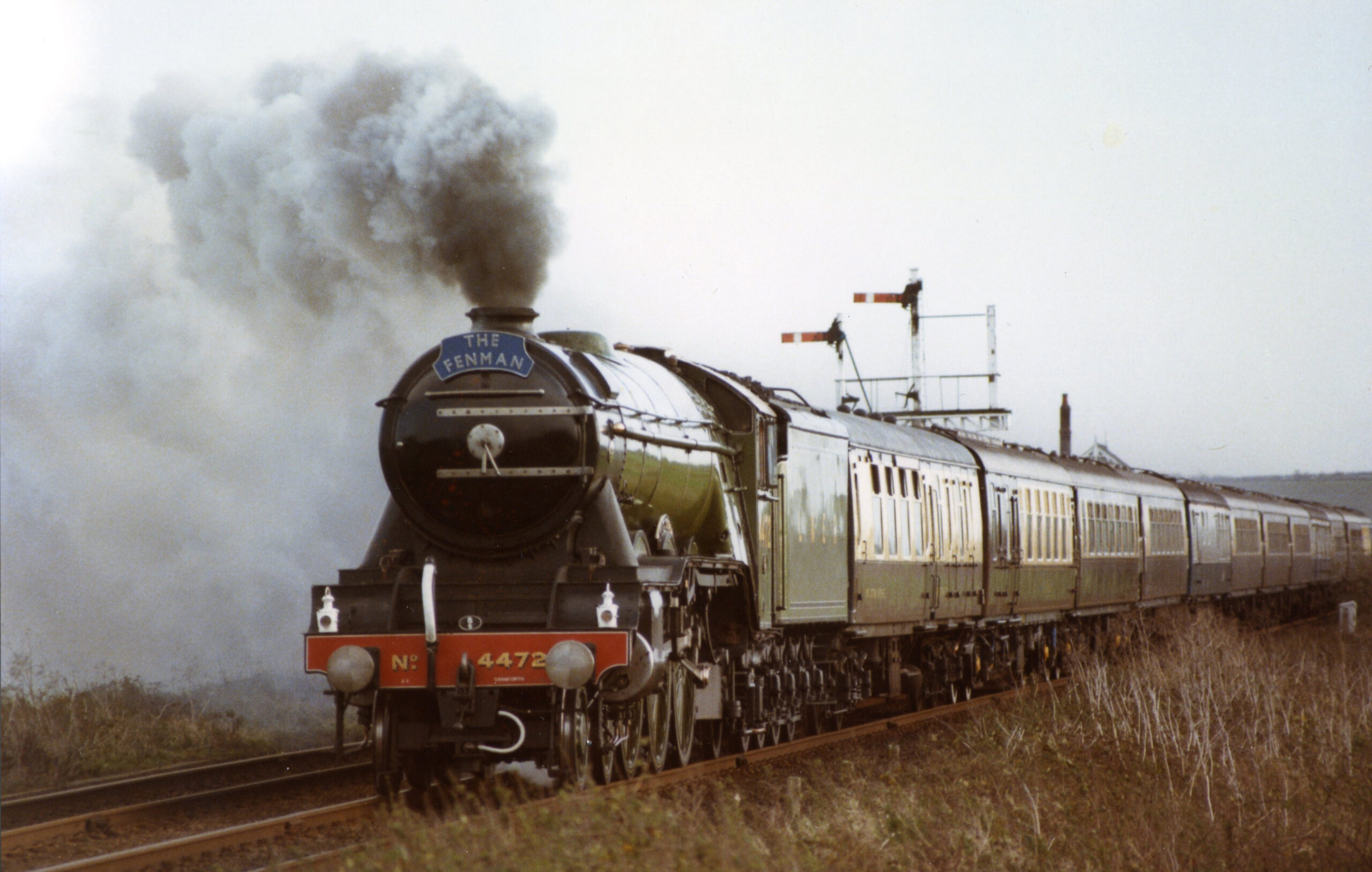
The 1870s saw renewed railway construction. In 1875, the GNR opened its branch from Allington Junction which later in the century became busy with passenger ‘specials’ to Skegness.
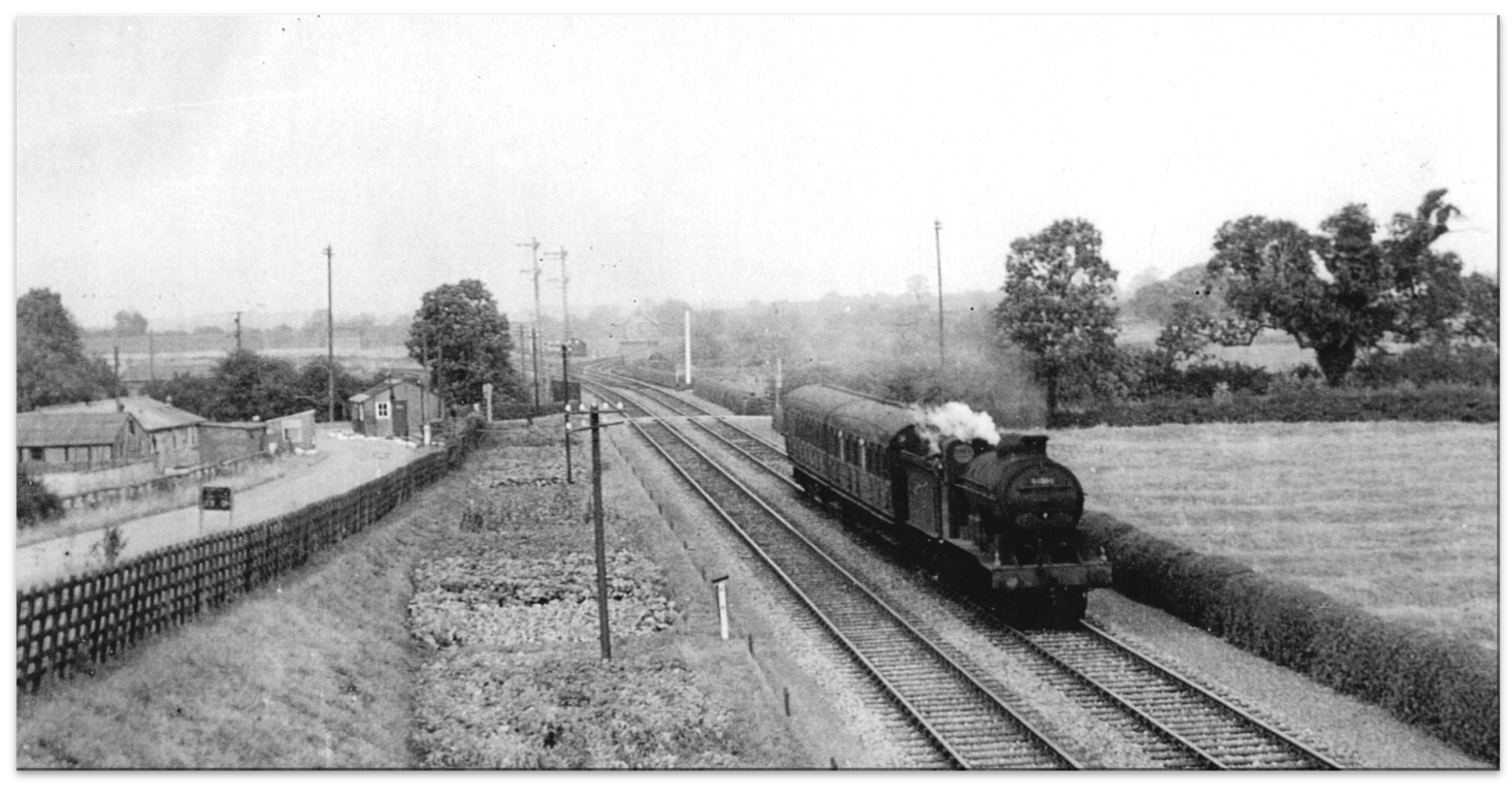
Bottesford South station, on Nottingham Road, opened in 1879 on the Great Northern and London North Western Railway. The route from Melton Mowbray to Newark went under the ’Ambergate’ line to which it was connected by curved spurs. There were passenger services between Northampton and Newark (LNWR) and between Leicester and Grantham (GNR). However, the south station was closed in 1882 when the Northampton-Newark service was withdrawn. The line itself remained in use into the second half of the 20th century. Leicester to Grantham trains stopped at Bottesford’s older station. Excursion trains to Skegness ran until 1962. Iron-ore trains passed through heading for Stanton Ironworks. The line from Bottesford to Newark remained open until 1988.
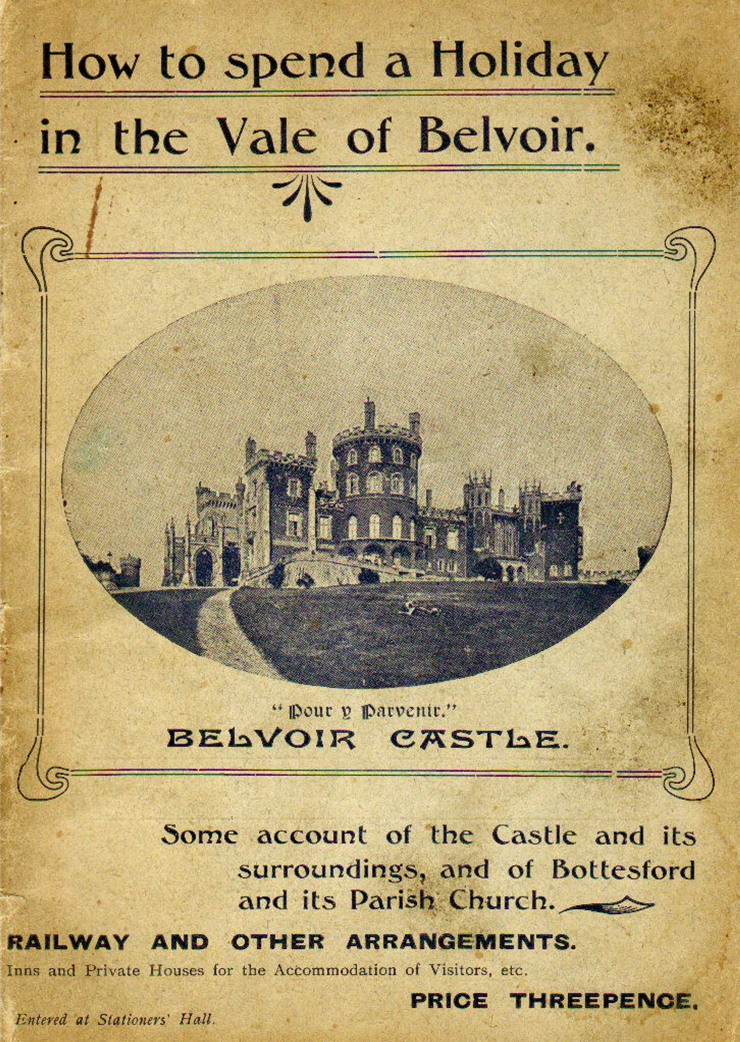
“Bottesford for Belvoir”
The station brought visitors to the tranquil countryside and villages of the Vale. Waggonettes would convey those less energetic from the station to Belvoir Castle and other places, including angling spots on the Grantham Canal.
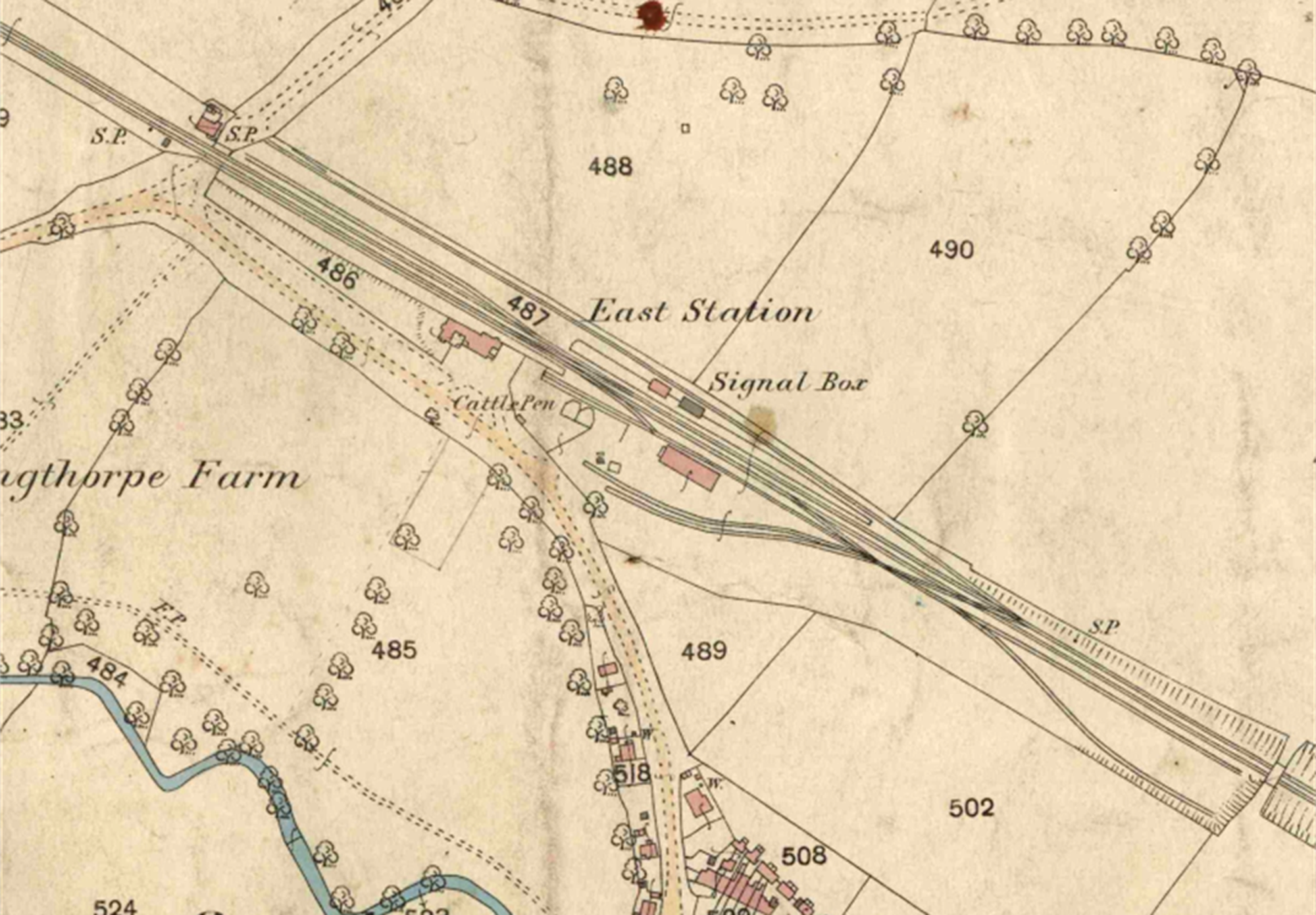
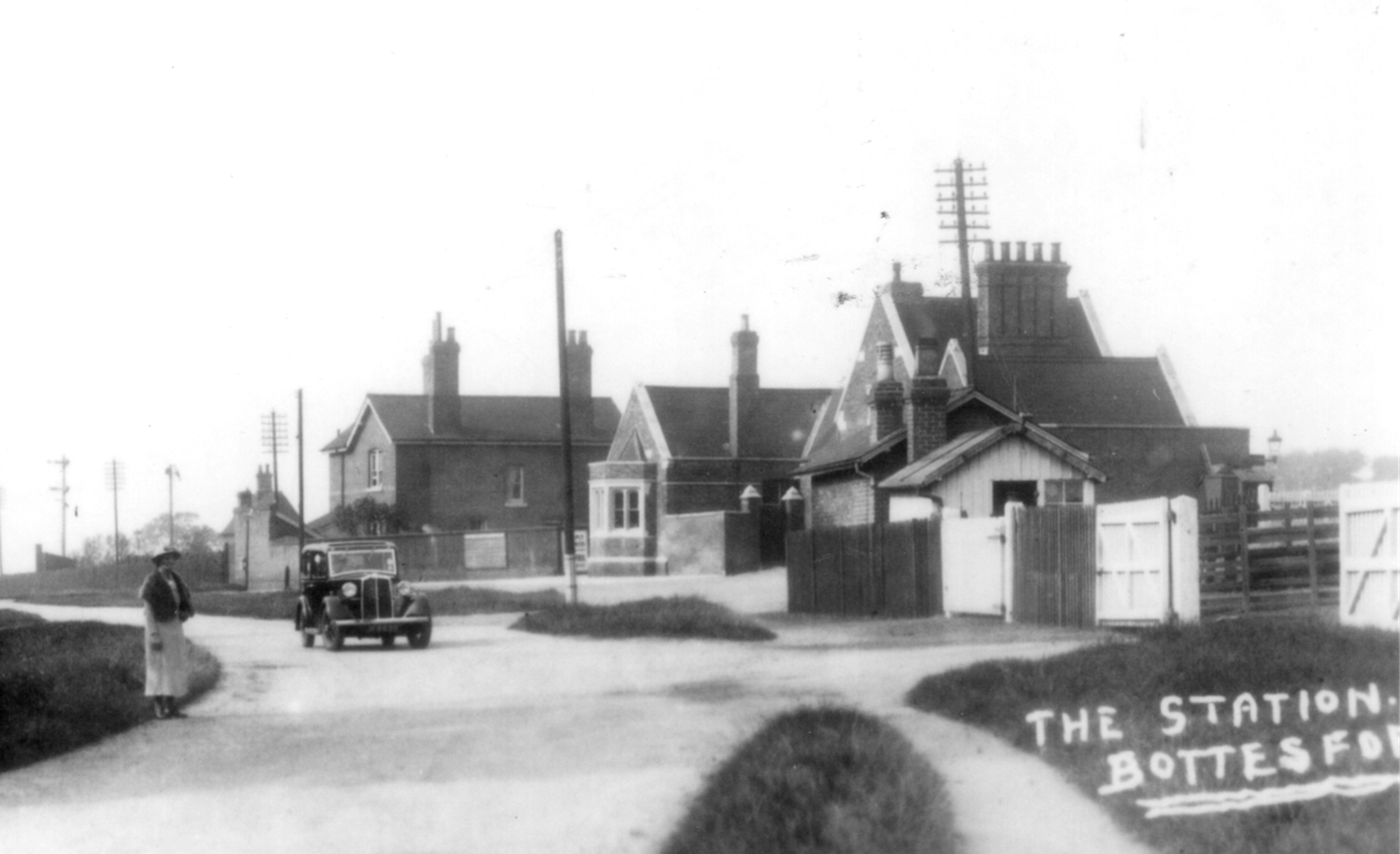
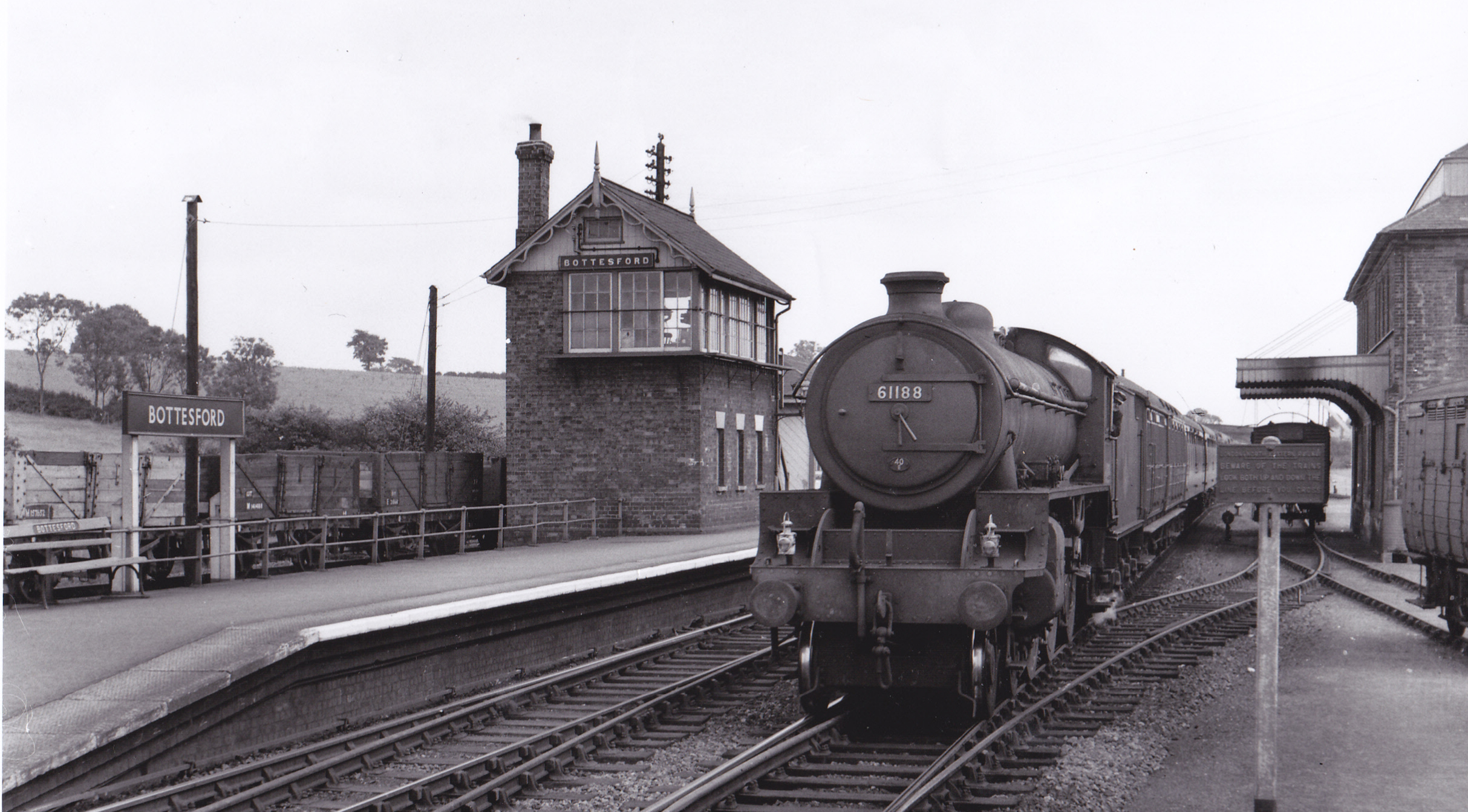
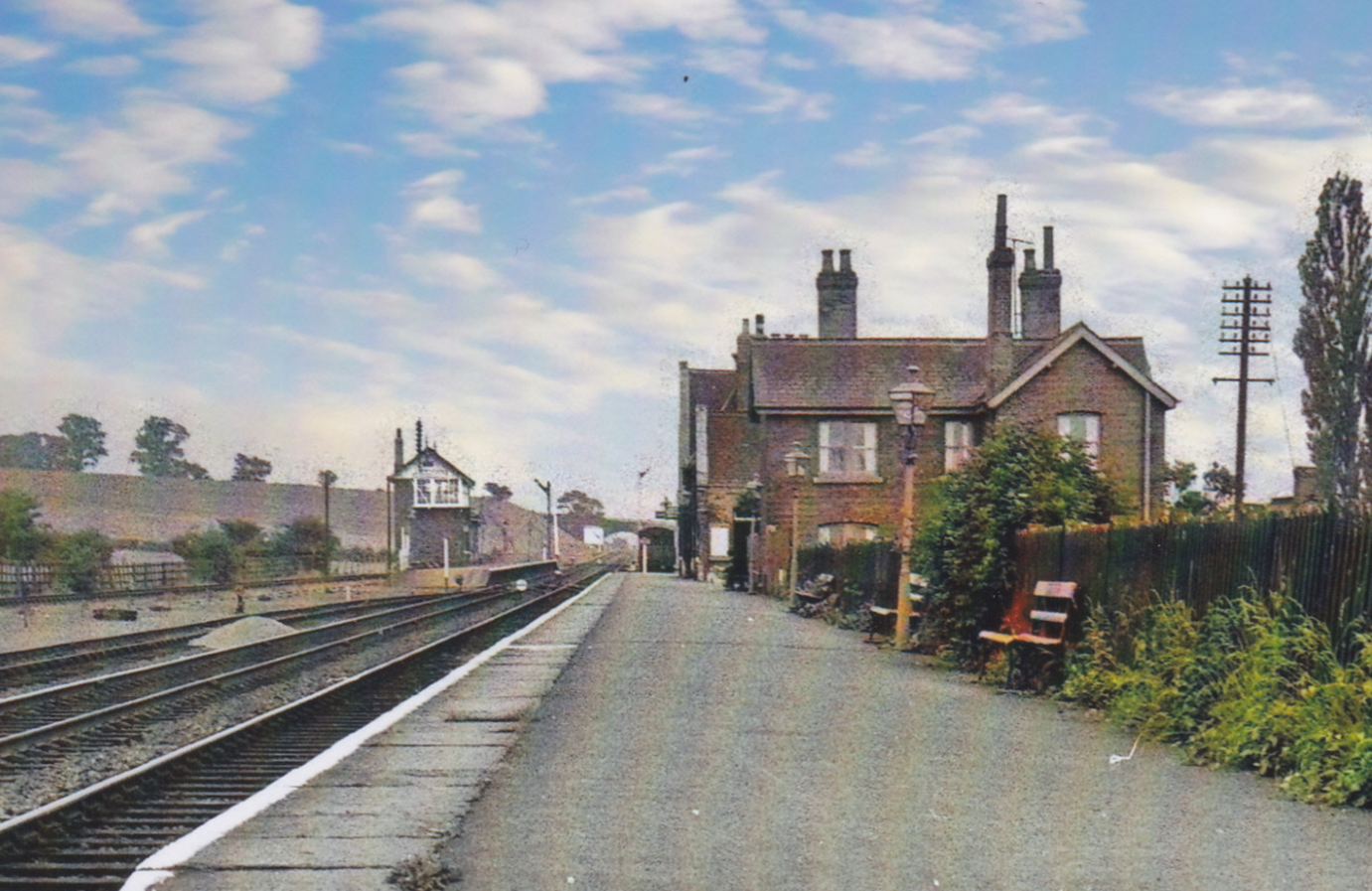
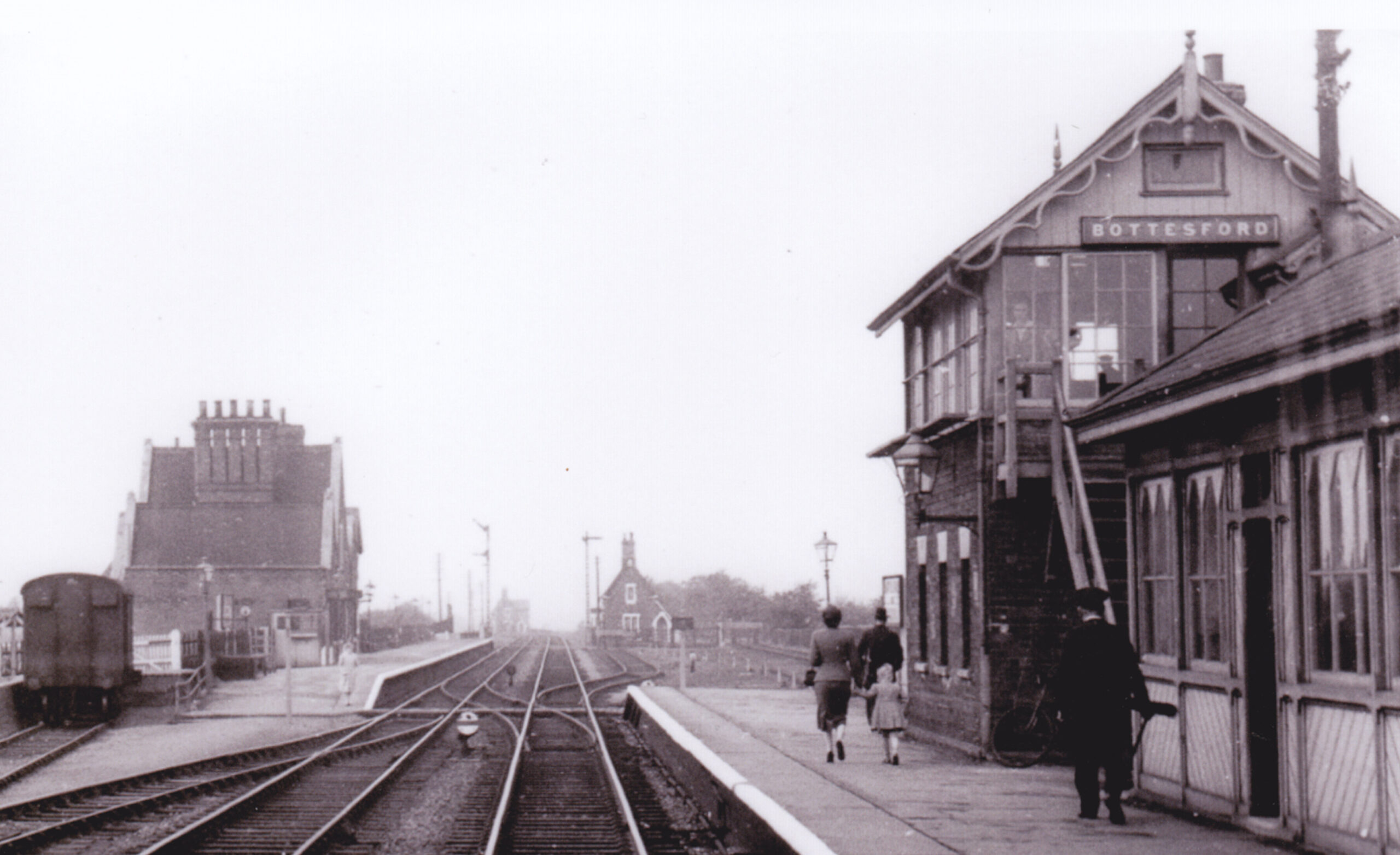
Before the Second World War, the station was a busy place with a ticket office-waiting room on the down (westbound) platform, a signal box and another waiting room on the up (eastbound). There was a goods warehouse, coal yard and livestock pens: all demolished in the 1960s.
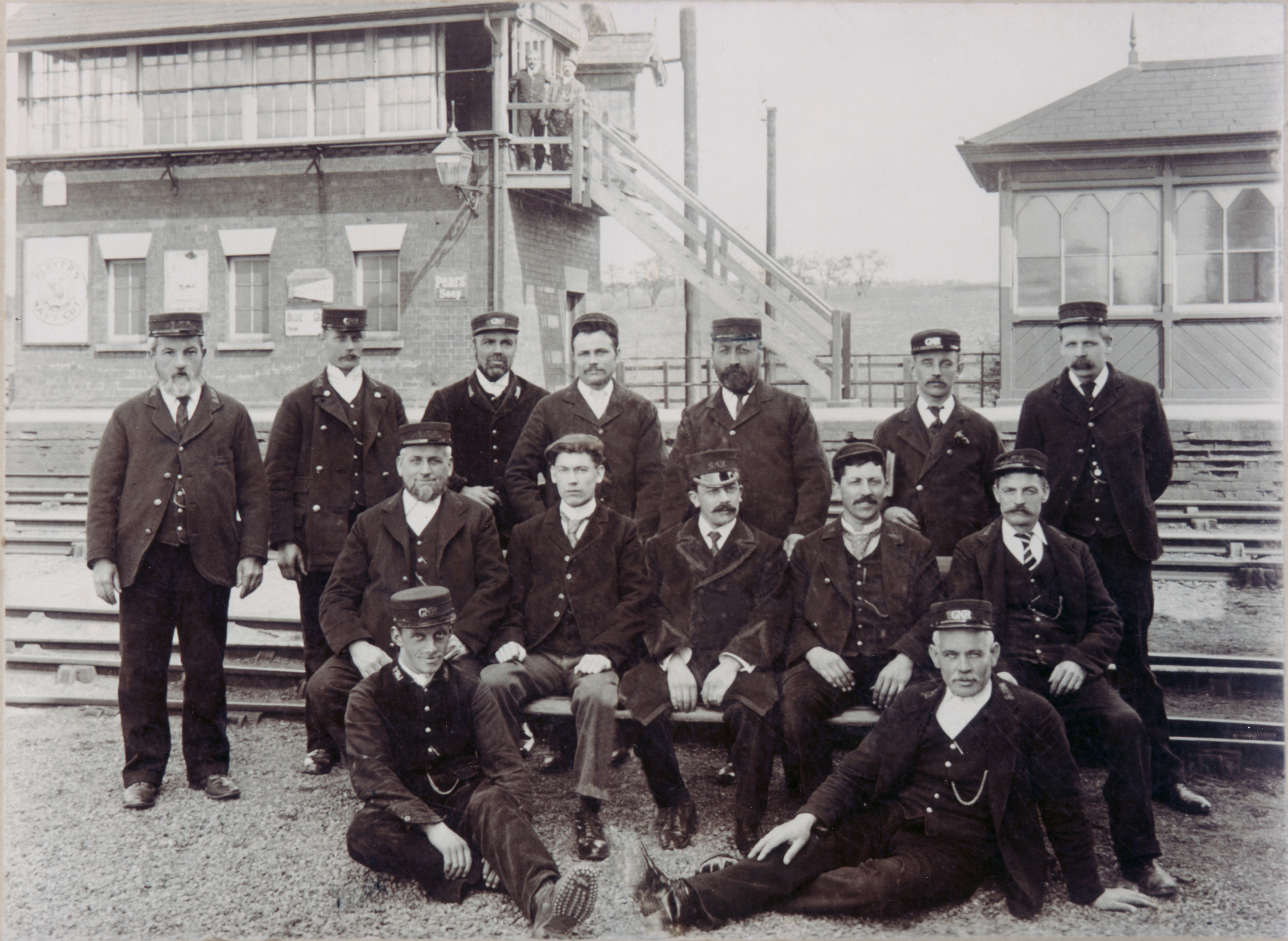
There were four more signal boxes to control the complicated junction with the Melton line (the West Box is still standing), and three crossing-keeper’s houses. In 1911, the census recorded 63 railway men living in Bottesford and nearby Muston. Twelve worked at the station: stationmaster Richard Charles Gaylard, four clerks, five porters and two labourers. There were 19 signalmen, 3 crossing keepers, and 29 platelayers.
Regular services ran to Nottingham, Melton, Grantham and Boston, plus excursion trains to Skegness. Passengers for eastbound trains had to cross the tracks to reach their platform, keeping their eyes and ears alert!
Goods services picked up livestock, grain and market garden produce for sale in London and elsewhere. They brought in mail and newspapers, coal, flour, animal feed, etc,. Customers for the coal included Bottesford Gas Works and Brickyard, as well as Belvoir Castle. The present day Bottesford Friendly Garden lies on part of the site of livestock pens.
The railway was extremely busy during the Second World War. A petrol storage and distribution camp, RASC Camp 17, was built adjacent to the Melton-Newark line which also served a fuel storage site at Redmile. The Bottesford camp had its own sidings and a narrow-gauge railway concealed in specially designed cuttings.
The area suffered a major bombing raid on 8th May 1941 but damage was minimal, possibly because of interference with German radar beams and RAF decoy fires, though Signalman Gamble was almost blown out of his box. Lord Haw-Haw claimed that the camp had been destroyed by bombing, but this was not the case.

No Comments
Add a comment about this page